PCB vs PCBA: What’s the Difference?
Many people use “PCB” and “PCBA” interchangeably, but they are not the same thing.
- A PCB (Printed Circuit Board) is the bare board itself — a flat substrate with copper traces that connect different points but contains no electronic components.
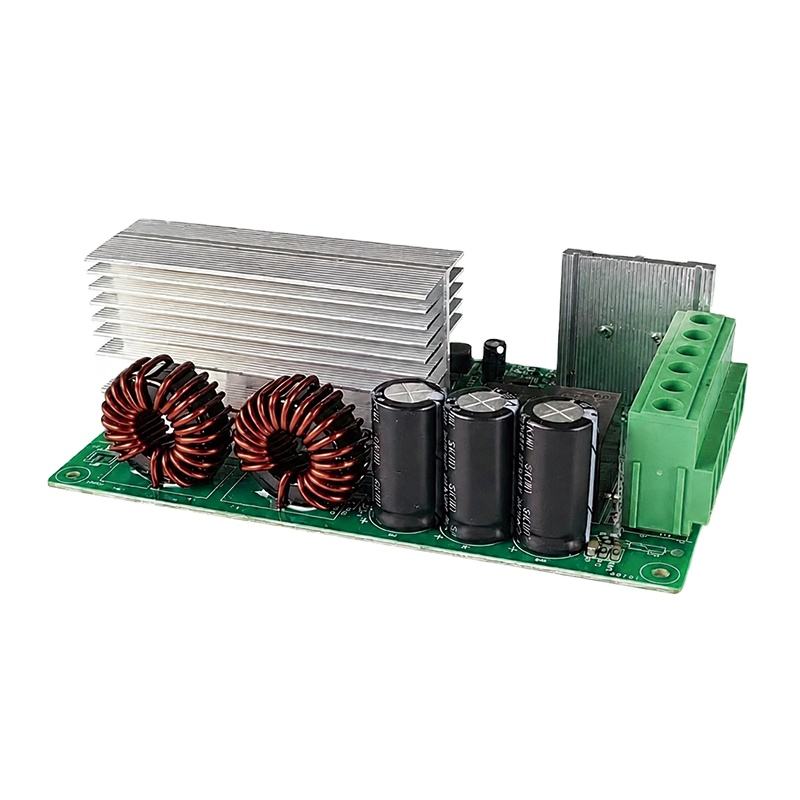
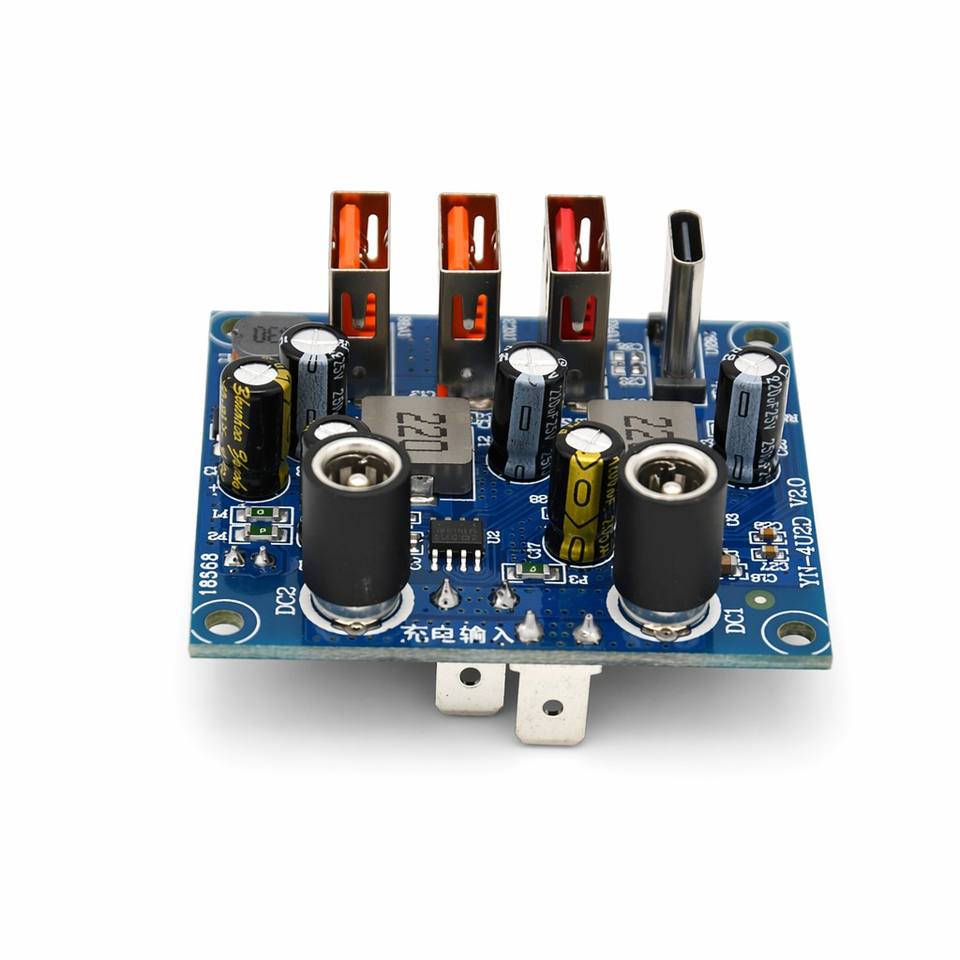
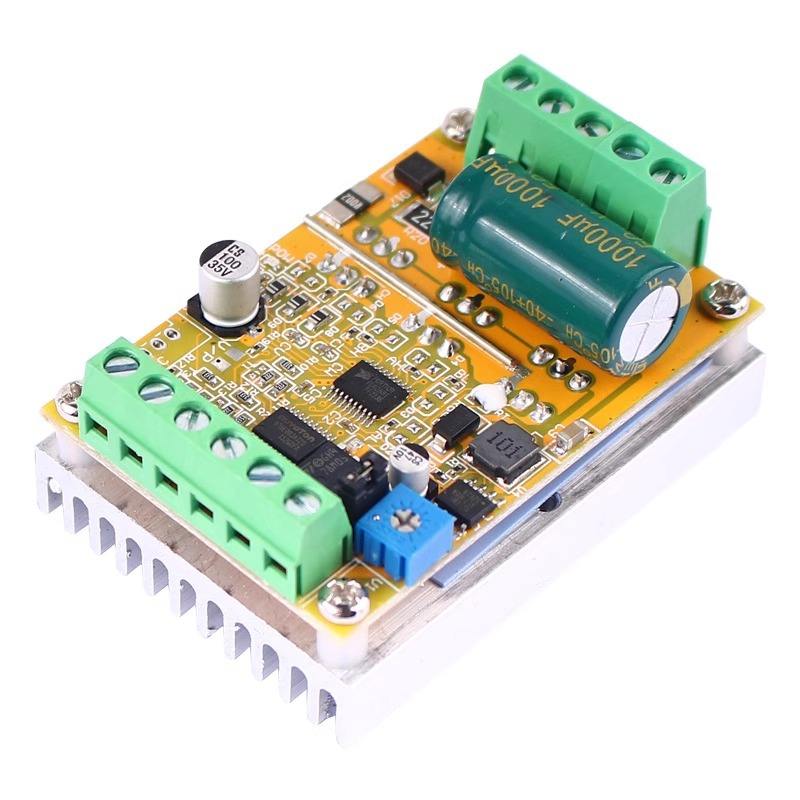
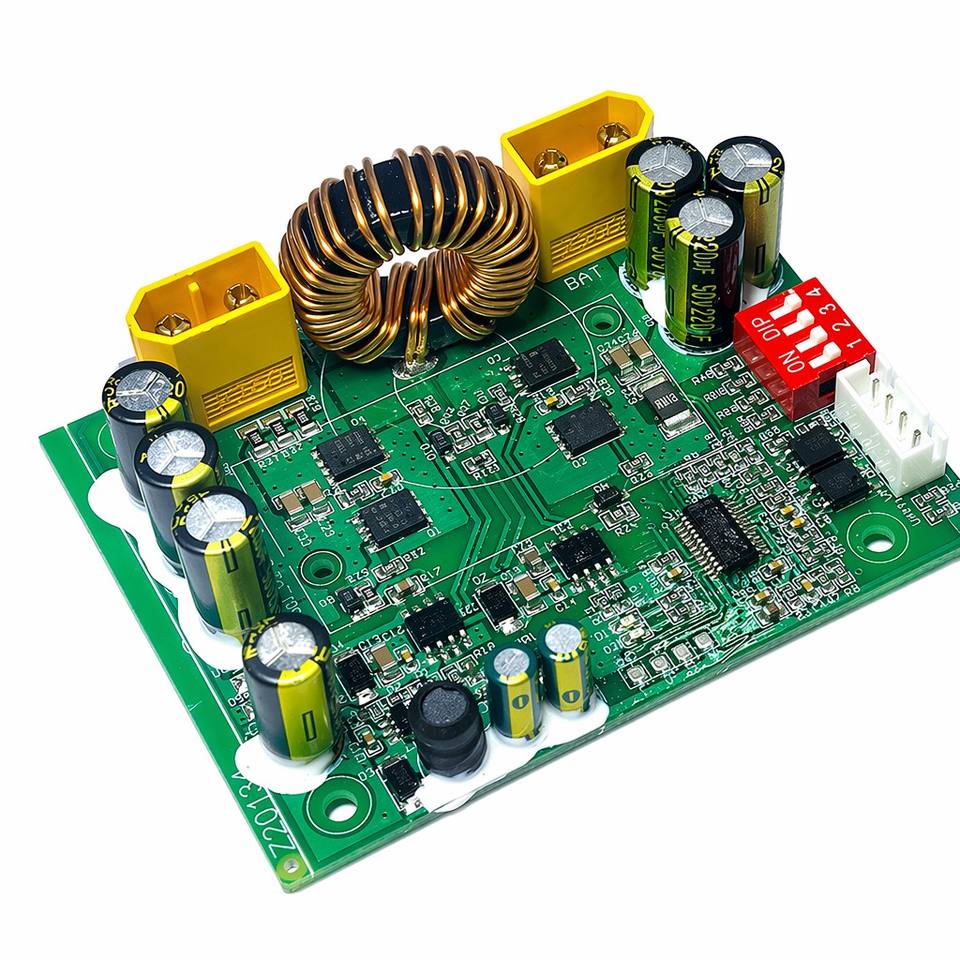
- A PCBA (Printed Circuit Board Assembly) is the finished board after all the components — resistors, capacitors, ICs, connectors — have been soldered onto the PCB.
In short: a PCB is the foundation, and a PCBA is the functional, ready-to-use electronic assembly. When you order PCB assembly services, you are ordering the process of populating a bare board with components.
The PCBA Manufacturing Process
A professional PCBA manufacturing line follows a structured, repeatable workflow to ensure quality and consistency. Here are the core steps:
1. Solder Paste Printing — The process begins by applying solder paste to the PCB pads using a stainless-steel stencil. This paste will later form the electrical and mechanical joints between components and the board.
2. Component Placement (SMT) — In SMT (Surface Mount Technology) assembly, a high-speed pick-and-place machine positions surface-mount components onto the pasted pads with extreme precision. Modern machines can place tens of thousands of components per hour.
3. Reflow Soldering — The board passes through a reflow oven. Controlled heating melts the solder paste, permanently bonding the components to the PCB as it cools.
4. Through-Hole Assembly (THT) — For components that cannot be surface-mounted — such as large connectors or transformers — THT (Through-Hole Technology) is used. Leads are inserted through drilled holes and soldered, either by wave soldering or selective soldering.
5. Inspection and Testing — Quality control is critical. Manufacturers use AOI (Automated Optical Inspection) to catch placement and solder defects, X-ray inspection for hidden solder joints (e.g., BGAs), and ICT (In-Circuit Test) and functional testing (FCT) to verify the board works as intended.
6. Conformal Coating and Final Assembly — For products used in harsh environments, a protective conformal coating may be applied. The board is then integrated into its enclosure as part of the final product build.
SMT vs THT vs Mixed PCBA
Choosing the right assembly technology depends on your design:
- SMT assembly is ideal for compact, high-density, and high-volume boards. It is faster and more cost-effective at scale.
- THT assembly offers stronger mechanical bonds, making it suitable for components that face physical stress or high power.
- Mixed technology PCBA combines both, which is common in industrial and automotive electronics.
A capable PCBA service provider should support all three and help you optimize the design for manufacturability (DFM).
Common Applications of PCBA
PCBA is the backbone of nearly every modern electronic device. Typical applications include: consumer electronics (smartphones, wearables, smart home devices); medical devices (monitors, diagnostic equipment, implants); automotive electronics (EV control units, sensors, infotainment); industrial automation (PLCs, motor controllers, IoT gateways); telecommunications (5G modules, routers, base stations); and aerospace and defense (avionics, navigation, ruggedized systems).
Turnkey PCBA vs Consignment PCBA
When sourcing PCB assembly services, you will typically choose between two models:
- Turnkey PCBA: The manufacturer handles everything — PCB fabrication, component sourcing, assembly, and testing. This saves time and reduces supply-chain risk.
- Consignment PCBA: You supply the boards and components, and the factory only performs assembly. This gives you more control over component sourcing but requires more coordination.
For most startups and overseas buyers, turnkey PCBA is the more efficient choice.
How to Choose the Right PCBA Manufacturer
- Certifications — ISO 9001, IPC-A-610, and (if relevant) UL, RoHS, ISO 13485 for medical work.
- Engineering support — A good partner offers DFM feedback, not just blind production.
- Testing capability — AOI, X-ray, ICT, and FCT should be available in-house.
- Supply chain transparency — Especially for turnkey, ask how they manage component shortages.
- Communication and lead time — Clear updates and realistic delivery dates matter.
- Scalability — Can they support you from prototype to mass production?
Frequently Asked Questions
What does PCBA stand for? PCBA stands for Printed Circuit Board Assembly, referring to a PCB that has been fully populated with electronic components.
How long does PCBA take? Prototype lead times are often 1–2 weeks; mass production typically 3–5 weeks depending on volume and component availability.
Is PCBA the same as PCB? No. A PCB is a bare board; a PCBA is the assembled, functional board with components soldered on.
Can one factory do both PCB and PCBA? Yes. Many turnkey PCBA manufacturers offer integrated PCB fabrication and assembly under one roof.
Conclusion
PCBA is what transforms a simple circuit board into the intelligent devices we rely on every day. By understanding the assembly process, the difference between SMT and THT, and how to evaluate a manufacturing partner, you can bring your electronic product to market faster and with greater confidence.
Looking for a reliable PCBA manufacturer for your next project? Contact our team today for a free DFM review and a competitive quote on turnkey PCB assembly — from prototype to volume production.