Introduction
If you have ever traveled to the United Kingdom or purchased electrical equipment designed for the British market, you have almost certainly encountered the distinctive UK Type G AC power plug. This three-pin electrical connector is one of the most recognizable and widely used power plug standards in the world. In this comprehensive guide, we will explore everything you need to know about the British power plug, including its technical specifications, safety features, compatible countries, and important considerations for international travelers and manufacturers.
What Is a UK Type G AC Plug?
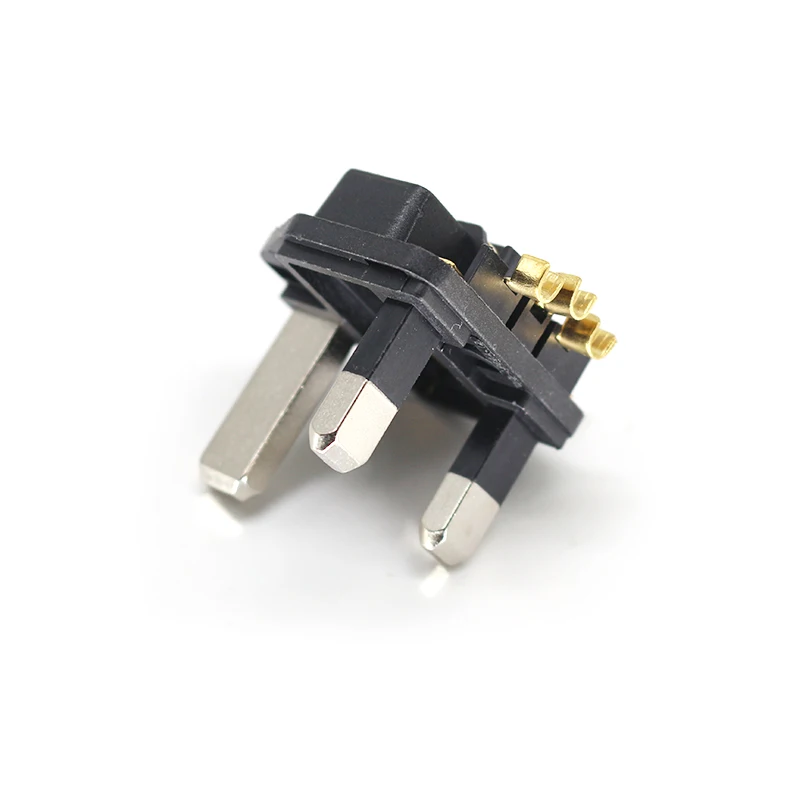
The UK Type G plug, officially known as the British Standard 1363 (BS 1363) plug, is the standard electrical plug and socket system used throughout the United Kingdom, as well as in several other countries and territories. This plug design has been in use since the 1940s and continues to be one of the most robust and safety-focused electrical connector standards worldwide.
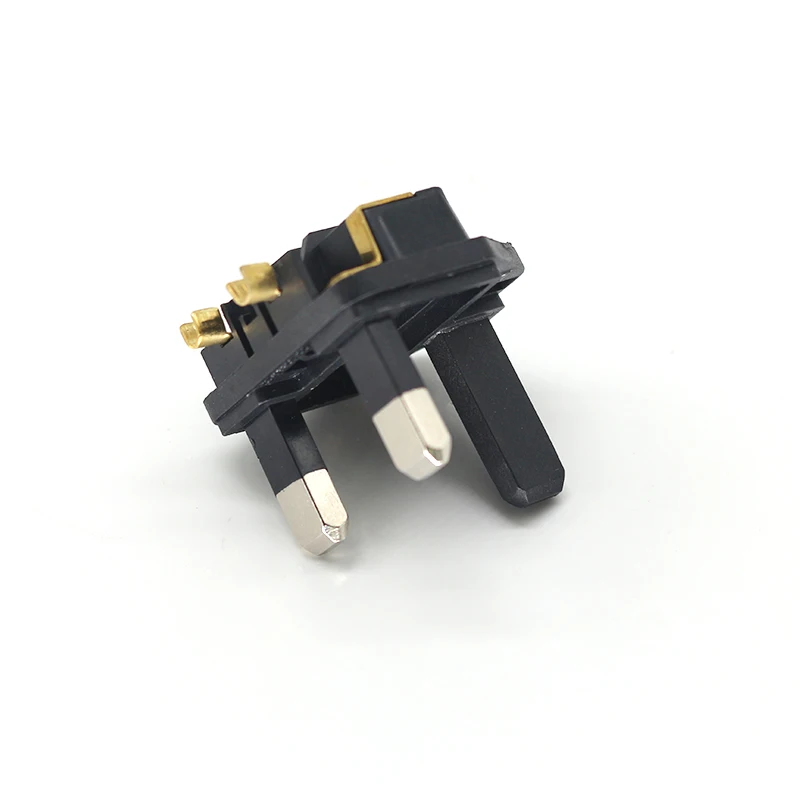
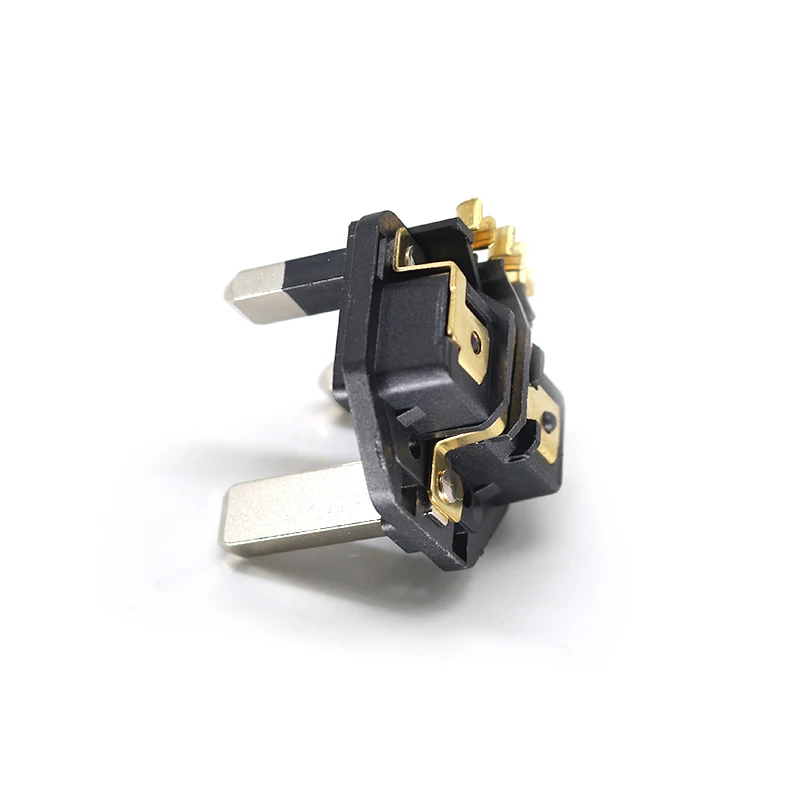
The Type G plug is characterized by its unique three rectangular pin configuration, which includes dedicated pins for live, neutral, and earth connections. The plug's design incorporates built-in safety features such as a fuse compartment and protective shutters, making it one of the safest plug designs available.

Technical Specifications of the UK Type G Plug
Understanding the technical specifications of the UK Type G plug is essential for anyone working with British electrical equipment. Here are the key technical details:
Voltage and Current Ratings
The standard operating voltage for UK electrical systems is 230 volts at a frequency of 50 hertz. The Type G plug is rated for a maximum current of 13 amperes, making it suitable for a wide range of household and commercial applications. For lower-power devices, variants rated at 5 amperes and 15 amperes also exist under different British Standards such as BS 546.
Pin Configuration
The UK Type G plug features three rectangular pins arranged in a triangular pattern:
- Line (L): Carries the live current
- Neutral (N): Returns current to the supply
- Earth (E): Provides safety grounding protection
This configuration ensures that the plug can only be inserted in one orientation, eliminating the risk of incorrect wiring.
Physical Dimensions
The typical UK Type G plug measures approximately:
- Height: 50mm
- Width: 48mm
- Depth: 28mm
The plug features a molded plastic housing that provides insulation and durability. The pins are typically made of brass with tin or nickel plating for corrosion resistance and reliable electrical contact.
Fuse Protection
One of the most distinctive features of the UK Type G plug is its integrated 13-ampere fuse. Each plug contains a fuse that protects both the appliance and the electrical wiring from overcurrent conditions. The fuse is accessible through a removable cover on the bottom or side of the plug, allowing for easy replacement when necessary.

Countries Using the UK Type G Plug
The UK Type G plug system has been adopted by several countries and territories beyond the United Kingdom proper. The following regions officially use the BS 1363 standard:
- United Kingdom (England, Scotland, Wales, and Northern Ireland)
- Ireland (Republic of Ireland)
- Malta
- Cyprus
- Hong Kong
- Macau
- Singapore
- Malaysia
- Sri Lanka
- Zimbabwe
- Ireland
It is important to note that while these countries use the same plug type, voltage and frequency variations may exist. Always verify the specific electrical requirements of your destination before using UK-compatible appliances abroad.
Safety Features of BS 1363 Plugs
The British Type G plug incorporates numerous safety features that have made it the gold standard for electrical safety:
1. Fuse Protection
The built-in 13-ampere fuse protects against overcurrent and potential fire hazards. This is a critical safety feature that differentiates the UK plug from many other international standards.
2. Insulated Pins
The pins on the UK Type G plug are partially insulated, with only the exposed contact area bare. This design prevents accidental contact with live conductors when plugging or unplugging devices.
3. Socket Shutters
UK wall sockets include shutter mechanisms that prevent foreign objects from being inserted into the live and neutral slots. This feature is especially important for protecting children from electrical shocks.
4. Robust Construction
The molded plastic housing provides excellent insulation and mechanical durability. The plug is designed to withstand rough handling and provide years of reliable service.
5. Polarization
The asymmetrical pin arrangement ensures that the plug can only be inserted in the correct orientation, eliminating the risk of incorrect wiring.
Choosing the Right UK Power Cord and Adapter
When purchasing electrical equipment or power cords designed for the UK market, there are several important factors to consider:
Cable Quality
Look for power cords with high-quality materials, including:
- Flexible PVC or rubber sheathing
- Tinned copper conductors for better conductivity
- Integrated strain relief at connector points
- Appropriate wire gauge for the intended current rating
Certification and Compliance
Ensure that any UK power cords or adapters you purchase carry the appropriate certifications:
- BSI Kitemark (British Standards Institution)
- UKCA marking (UK Conformity Assessed)
- CE marking (European Conformity)
Voltage Compatibility
Verify that your equipment is compatible with UK electrical standards. The standard UK voltage is 230V at 50Hz. Some electronic equipment may have universal power supplies that accept a wide voltage range (100-240V), while others may be designed for a specific voltage.
Adapter Considerations
If traveling to the UK with devices from other countries, you will need a proper plug adapter. Make sure to choose a quality adapter that provides secure electrical contact and does not compromise safety features.
Common Applications of UK Type G Plugs
The BS 1363 plug system is used in a wide variety of applications across residential, commercial, and industrial settings:
Household Appliances
- Kitchen appliances (kettles, toasters, microwaves)
- Televisions and audio equipment
- Computers and peripherals
- Lighting fixtures
- Heating and cooling appliances
Office Equipment
- Computer power supplies
- Network equipment
- Printers and scanners
- Office machines
Industrial and Professional Use
- Testing and laboratory equipment
- Medical devices
- Manufacturing machinery
- Power distribution systems
Installation and Maintenance Considerations
For those installing or maintaining UK electrical systems, several best practices should be followed:
Proper Installation
- Ensure all electrical work is performed by qualified electricians
- Follow all relevant British Standards and regulations
- Use appropriate cable sizes for the expected load
- Ensure proper earthing connections
Regular Inspection
- Periodically inspect plugs and sockets for signs of wear or damage
- Replace any damaged plugs immediately
- Check that fuses are of the correct rating
- Verify that socket screws are tight and connections are secure
Replacement Guidelines
When replacing plugs or sockets:
- Turn off power at the circuit breaker before working
- Use compatible components from the same manufacturer when possible
- Follow all safety procedures and regulations
- Test all connections after installation
Frequently Asked Questions
Q: Can I use UK plugs in other countries?
A: Not directly. While several countries use the same Type G plug, voltage and frequency differences may cause issues. Always check the specifications of your destination country before using UK electrical equipment abroad.
Q: What size fuse should I use in a UK plug?
A: The UK Type G plug uses a BS 1362 fuse, which comes in ratings of 3A, 5A, 10A, and 13A. Choose the fuse rating based on your appliance's power requirements.
Q: Are UK plugs compatible with Irish sockets?
A: Yes, UK Type G plugs and Irish Type G sockets are compatible, as both countries use the same BS 1363 standard.
Q: How do I know if my plug is genuine and safe?
A: Look for the BSI Kitemark or other recognized certification marks. Avoid cheap, uncertified plugs that may not meet safety standards.
Q: Can I convert a UK plug to a different type?
A: It is not recommended to modify plugs. Use a certified adapter if you need to connect UK equipment to a different socket type.
Conclusion
The UK Type G AC plug, with its BS 1363 specifications, represents one of the most sophisticated and safety-focused electrical connector designs in the world. Its combination of robust construction, built-in fuse protection, and innovative safety features has made it the standard choice for the United Kingdom and numerous other countries.
Whether you are purchasing electrical equipment for the British market, traveling to the UK, or working with international power systems, understanding the specifications and requirements of the UK Type G plug is essential. By following proper installation guidelines, using certified components, and respecting safety standards, you can ensure reliable and safe electrical connections in all applications.
Remember to always verify voltage and frequency compatibility when using UK electrical equipment abroad, and never compromise on safety by using uncertified or damaged plugs and adapters. With proper knowledge and precautions, the UK Type G plug system can provide years of safe and reliable service.