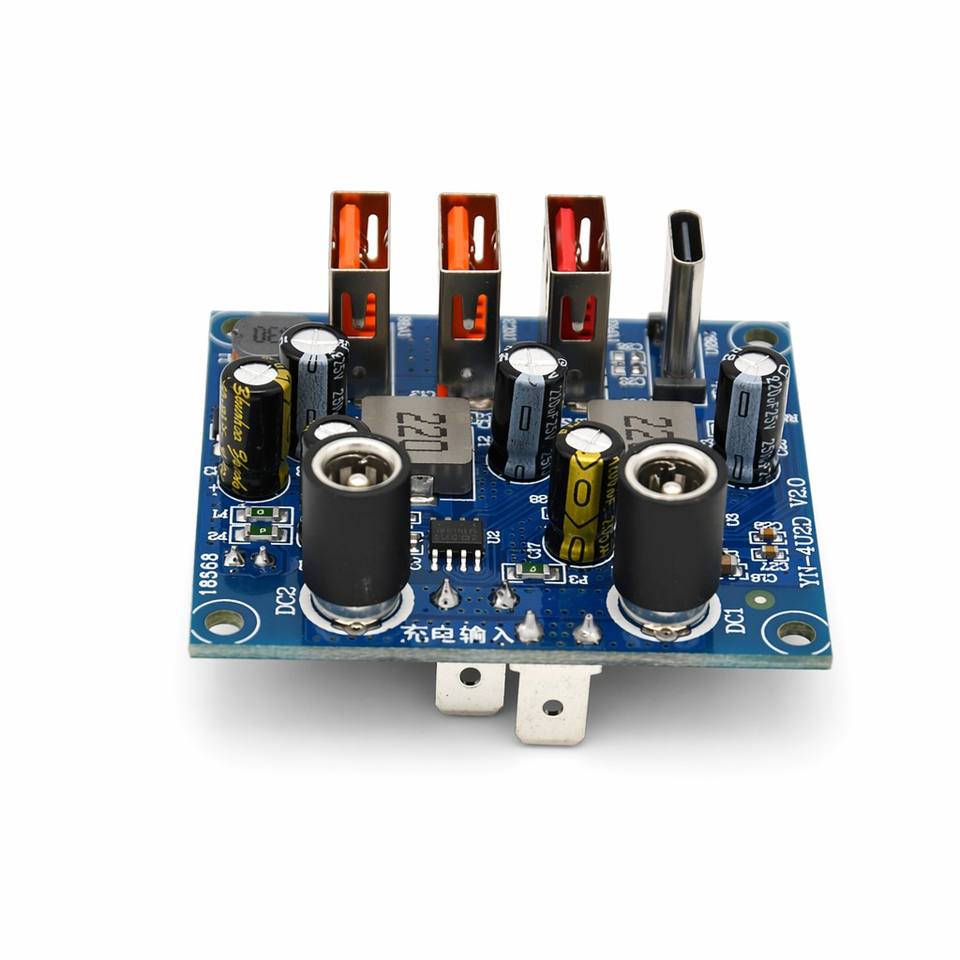
What Is Custom PCBA Manufacturing?
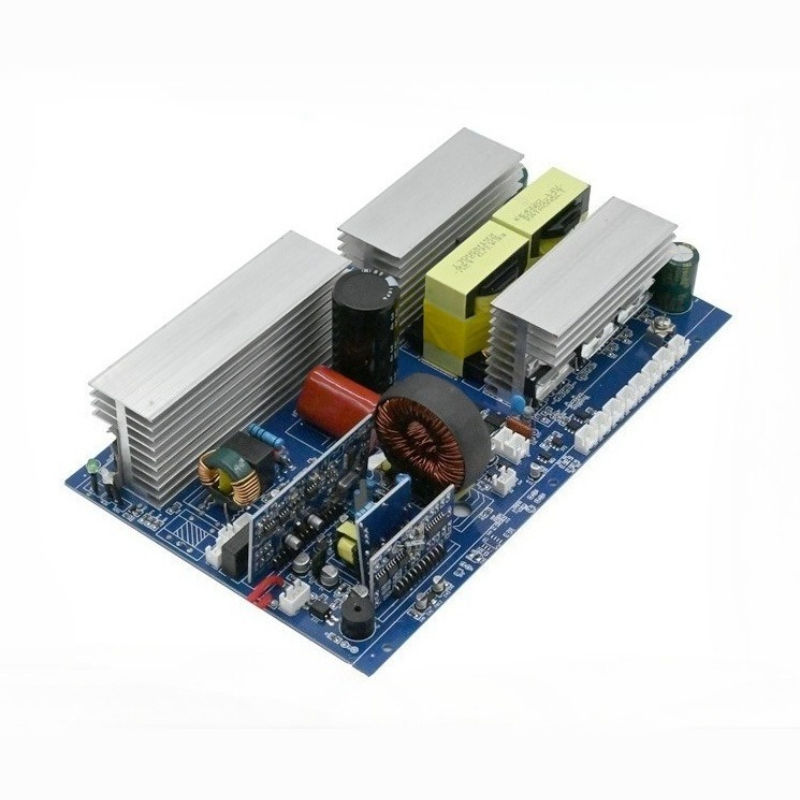
Custom PCBA manufacturing refers to the end-to-end process of producing printed circuit board assemblies tailored to your specific design requirements. Unlike off-the-shelf circuit boards, custom PCBAs are built from your unique Gerber files, BOM (Bill of Materials), and specifications—ensuring the final product meets your exact functional, mechanical, and environmental needs.
The process typically encompasses:
- PCB Fabrication: Manufacturing the bare circuit board with your specified layer count, materials, copper weight, and surface finish
- Component Sourcing: Procuring all electronic components—from microcontrollers and passive components to connectors and specialized ICs
- Assembly: Mounting components using surface mount technology (SMT), through-hole technology (THT), or mixed assembly processes
- Testing & Inspection: Validating functionality through automated optical inspection (AOI), X-ray inspection, in-circuit testing (ICT), and functional testing
- Value-Added Services: Conformal coating, potting, programming, and box-build assembly
For many businesses, particularly startups, mid-size OEMs, and companies without in-house manufacturing capabilities, partnering with a custom PCBA manufacturer is the most efficient path from design to market.
Why Turnkey PCBA Services Matter in 2026
The global PCBA market is projected to exceed USD 95 billion in 2026, growing at a CAGR of 7.2% through 2030. This growth is fueled by electrification (EV/charging infrastructure), AI edge computing, 5G/6G rollout, medical IoT, renewable energy systems, and industrial automation. At the same time, OEMs face persistent mature-node shortages (40–180 nm), tariff volatility, CBAM/ESG reporting pressure, and the need for shorter lead times and higher reliability.
The Turnkey Advantage
Turnkey PCBA services represent a full-service electronics manufacturing model where a single provider manages the entire production process—from PCB fabrication and component sourcing to assembly, testing, and final delivery. Customers only need to provide the design files and specifications, while the manufacturer handles everything else.
The benefits of choosing turnkey over fragmented sourcing are substantial:
1. Unified Quality Control When one team handles fabrication, sourcing, and assembly, process alignment is natural. Quality standards remain consistent across all stages, minimizing error rates and ensuring that a PCB built to IPC Class 3 standards maintains that reliability through assembly.
2. Faster Lead Times Coordinating multiple vendors can delay a project by weeks. With turnkey, a single provider cuts lead times significantly—think 5–7 days for prototypes versus 4–6 weeks with separate suppliers. Early DFM checks also prevent delays from design errors.
3. Cost Optimization Turnkey providers secure bulk pricing on components and eliminate extra shipping costs between vendors. Centralized procurement reduces overhead, and integrated processes minimize NRE (non-recurring engineering) costs.
4. Integrated Engineering Support When fabrication and assembly teams work under one roof, DFM (Design for Manufacturability) and DFA (Design for Assembly) feedback loops are tighter. Design flaws that violate safety creepage rules or EMC requirements are caught early, preventing costly respins.
5. Full Documentation & Traceability Test reports, quality records, and traceability logs are organized under one system. For automotive and medical customers, full unit-level traceability—from bare PCB batch numbers to component lot codes and assembly production logs—is essential for regulatory compliance.
Who Benefits Most from Turnkey PCBA?
- Overseas OEMs and global buyers lacking in-house supply chain support
- Startups and product developers with limited resources and small initial volumes
- Companies developing complex electronics that require tight integration between fabrication and assembly
- Projects under strict deadlines that need fast prototyping and rapid transition to volume production
What Buyers Care About Most: Key Evaluation Criteria
When evaluating custom PCBA manufacturers, buyers consistently prioritize five core areas. Understanding these criteria—and knowing what questions to ask—will help you select a partner that aligns with your technical requirements, budget, and timeline.
1. Manufacturing Capabilities & Technology Readiness
Your PCBA partner must be able to handle your specific technical requirements. Before engaging, verify their capabilities against your design needs:
Component Placement Precision
- Can they handle 01005 components (0.4 mm × 0.2 mm)?
- What is their placement accuracy? (Top-tier facilities achieve ±0.04mm)
- Do they support BGA, QFN, and micro-BGA packages?
Board Complexity
- Maximum layer count (prototype vs. mass production)
- HDI (High-Density Interconnect) capabilities—microvias, any-layer interconnect
- Rigid-flex and flexible PCB assembly
- Heavy copper PCBs (4–12 oz) for power electronics
Advanced Processes
- Selective soldering for mixed-technology boards
- Press-fit and compliant-pin connectors
- Embedded passives/components
- Conformal coating and potting capabilities
Material Expertise
- Standard FR-4, high-Tg, and halogen-free laminates
- High-frequency materials (Rogers, Megtron 6, Taconic)
- Ceramic and metal-core substrates
- Thermal management solutions
2. Supply Chain Resilience & Component Procurement
In 2026, component availability remains one of the biggest challenges in electronics manufacturing. The 2026 BOM crisis has seen simultaneous cost escalation across PCB substrates, laminates, memory, and active components. Copper hit a record $13,300/tonne in January 2026, CCL (copper-clad laminate) is up 45%, and DRAM prices rose 105–110% quarter-over-quarter in Q1 2026.
A reliable PCBA partner must demonstrate:
Strategic Sourcing Relationships
- Long-term allocation agreements with authorized distributors
- Direct relationships with component manufacturers
- Die-bank programs for critical ICs
- Second-source qualification databases
Inventory Management
- Safety stock programs for medical-critical and automotive-grade parts
- Bonded inventory for high-volume customers
- Proactive obsolescence management and last-time-buy coordination
Risk Mitigation
- Multi-sourcing strategies to avoid single-point failures
- Counterfeit component detection protocols
- Grey-market component avoidance policies
- Real-time BOM health monitoring and alternates recommendations
3. Quality System, Certifications & Traceability
Quality is non-negotiable in custom PCBA manufacturing. A single defect can result in field failures, warranty claims, and reputational damage. Look for manufacturers with robust quality systems and relevant industry certifications.
Essential Certifications
- ISO 9001:2015: Foundation quality management system
- IATF 16949: Automotive industry quality standard (critical for automotive PCBAs)
- ISO 13485: Medical device quality management (essential for medical electronics)
- IPC-A-610: Acceptability of electronic assemblies (Class 2 or Class 3)
- IPC-J-STD-001: Requirements for soldered electrical and electronic assemblies
- RoHS/REACH Compliance: Environmental and chemical safety standards
Quality Metrics to Request
- First-pass yield rate (top-tier facilities achieve >99.2%)
- Defect escape rate (leading facilities have reduced this by over 40% with AI-driven quality systems)
- PPM (parts per million) defect rate (<100 PPM is world-class)
- On-time delivery rate (99%+ is expected)
Inspection & Testing Capabilities
- Automated Optical Inspection (AOI) with machine learning models
- X-ray inspection for BGA and hidden solder joints
- In-Circuit Testing (ICT) – flying probe and bed-of-nails
- Functional testing and burn-in testing
- Environmental stress screening (ESS)
Traceability Requirements For automotive, medical, aerospace, and industrial applications, full traceability is mandatory:
- Bare PCB batch numbers linked to assembly records
- Component lot codes and date codes
- Solder paste and flux batch tracking
- Operator and equipment identification for each process step
- Complete test records per unit
4. Speed, Flexibility & NPI Support
Time-to-market is a competitive advantage. Your PCBA partner must support rapid prototyping and smooth new product introduction (NPI) transitions.
Prototype Capabilities
- Quick-turn prototype assembly (5–7 days standard, 24-hour for simple designs)
- No minimum order quantity (MOQ) or low MOQ options
- Rapid DFM/DFA feedback (24-hour turnaround preferred)
NPI Process Excellence
- Dedicated NPI engineering team
- Pilot run management and process validation
- Design for Test (DFT) consultation
- Failure mode analysis and corrective action
Volume Scalability
- Seamless transition from prototype to low-volume (10–1,000 units)
- Mid-volume production (1,000–10,000 units)
- High-volume capability (10,000+ units) with automated lines
Communication & Project Management
- Dedicated account manager or project engineer
- Real-time production status updates
- Transparent issue escalation process
- Engineering change order (ECO) management
5. Cost Structure & Transparency
Understanding the true cost of custom PCBA manufacturing requires looking beyond the unit price. A transparent partner will break down costs clearly and help you optimize for total cost of ownership (TCO).
Cost Components
- PCB fabrication cost (driven by layer count, material, size, and quantity)
- Component costs (affected by allocation, alternates, and volume)
- Assembly labor and NRE charges
- Testing and inspection costs
- Tooling, stencil, and fixture costs
- Shipping, customs, and logistics
Cost Optimization Strategies
- DFM-driven design optimization to reduce manufacturing complexity
- BOM consolidation and standardization
- Volume pricing tiers and annual contracts
- Panelization optimization for fabrication and assembly efficiency
- Strategic component substitution without performance compromise
Hidden Costs to Watch For
- Engineering review fees
- Expedite charges for rush orders
- Component markup transparency
- Rework and repair policies
- Warranty and field failure support
Common Pain Points in Custom PCBA Manufacturing (And How to Avoid Them)
Even experienced buyers encounter challenges in PCBA manufacturing. Understanding these pain points—and how a strong partner addresses them—will help you navigate the process successfully.
Pain Point 1: Compliance Blame-Shifting Between Suppliers
When a shipment fails RoHS testing or gets held at customs, fragmented supply chains create a blame game: the PCB fabricator blames the component supplier, the assembly house blames the PCB vendor, and the OEM absorbs the cost and delay. Without a single accountable party, resolution cycles average 6–8 weeks.
Solution: Choose an end-to-end turnkey provider with full accountability. Ensure they provide complete compliance documentation and accept responsibility for the entire deliverable.
Pain Point 2: Incomplete Traceability Records
Separate suppliers keep separate records. When bare PCB batch numbers, component lot codes, and assembly production logs don't align, building a full unit-level traceability file becomes impossible.
Solution: Demand a single traceability system that links all manufacturing stages. Verify this capability during your supplier audit.
Pain Point 3: Inconsistent Quality Standards
A PCB built to IPC Class 2 will not deliver Class 3 reliability after assembly, even if the assembly house follows Class 3 rules. Mismatched standards create hidden defects that appear after 6–12 months of field operation.
Solution: Confirm that your partner maintains consistent IPC class standards across fabrication and assembly. Request Class 3 as the default for critical applications.
Pain Point 4: Counterfeit & Grey-Market Component Risks
Small assembly houses often source components from unauthorized brokers to cut costs. Counterfeit or reclaimed power ICs, capacitors, and connectors are a top cause of premature field failure.
Solution: Insist on authorized distributor sourcing with full chain-of-custody documentation. Request component authenticity certificates for high-value or critical parts.
Pain Point 5: Delayed NPI Certification
When design, fabrication, and assembly teams work for different companies, compliance reviews happen late. Design flaws are not caught until prototype testing, causing 2–3 extra design spins and delaying market launch by 3–6 months.
Solution: Select a partner with integrated NPI processes, early DFM engagement, and in-house compliance expertise for your target markets.
Industry-Specific Considerations
Different industries impose unique requirements on custom PCBA manufacturing. Ensure your partner has proven experience in your sector.
Automotive Electronics
- IATF 16949 certification mandatory
- PPAP (Production Part Approval Process) capability
- Zero-defect manufacturing culture
- Long-term reliability and lifecycle support (10–20 years)
- AEC-Q component qualification
Medical Devices
- ISO 13485 certification required
- Biocompatibility and cleaning validation (ISO 10993)
- Validated aqueous and semi-aqueous cleaning processes
- Full extractables/leachables testing
- FDA registration and 510(k) support experience
Industrial & IoT
- Wide temperature range operation (-40°C to +85°C or beyond)
- Conformal coating for harsh environments
- EMC/EMI compliance testing
- Long-term component availability planning
Consumer Electronics
- Cost optimization without quality compromise
- Rapid design iteration support
- Aesthetic requirements (LED placement, connector accessibility)
- Compliance with regional safety standards (UL, CE, CCC)
Aerospace & Defense
- AS9100 certification
- ITAR compliance (for US suppliers)
- High-reliability soldering (J-STD-001 Class 3)
- Full material and process traceability
- Environmental stress screening
The 2026 PCBA Landscape: Trends Shaping Buyer Decisions
Understanding current market dynamics helps you set realistic expectations and choose a future-ready partner.
Nearshoring & Regionalized Production
Geopolitical tensions, tariff risks, and logistics cost inflation continue to push OEMs toward "China+1" and nearshoring strategies. North American and European customers increasingly split production between Southeast Asia (Vietnam, Thailand, Malaysia) for cost-sensitive volume and Mexico, Eastern Europe, or domestic facilities for high-reliability, tariff-sensitive, or short-lead-time programs.
AI-Driven Quality Control
Walk onto a modern PCBA facility in 2026 and the difference from 2020 is stark. AOI stations that once relied on rule-based algorithms now run machine learning models trained on millions of solder joint images. X-ray inspection systems powered by computer vision catch micro-via voids and BGA defects that human eyes cannot reliably detect. Top-tier manufacturers report first-pass yield rates above 99.2%, up from 97–98% averages just a few years ago.
Electrification & High-Power Electronics
EV penetration, ultra-fast charging infrastructure (350–500 kW), battery energy storage systems (BESS), and solar inverters fuel demand for heavy copper PCBs (4–12 oz), SiC & GaN power modules, and high-voltage insulation designs.
ESG & Carbon-Footprint Accountability
EU CBAM, SEC climate disclosure rules, and corporate Scope 3 targets force PCBA manufacturers to report and reduce emissions. Large OEMs increasingly require Scope 1 and Scope 2 carbon data from their supply chain as part of vendor qualification. Some tie purchase volumes to carbon reduction commitments.
Mature-Node Capacity Constraints
Automotive-grade MCUs, power discretes, high-voltage analog ICs, and legacy logic families remain tight into 2026–2027 despite new fab announcements. Proactive component allocation and safety stock programs are essential.
How to Evaluate and Select Your Custom PCBA Partner
Use this structured framework when comparing potential manufacturing partners:
| Evaluation Category | Weight | Key Questions to Ask |
| Technical Capability | 30% | Can they handle your component types, layer count, and special processes? Do they have advanced inspection equipment? |
| Supply Chain Resilience | 25% | Do they have allocation agreements, safety stock, and second-sourcing databases? How do they handle shortages? |
| Quality & Compliance | 20% | What certifications do they hold? What are their yield and defect escape rates? Is full traceability available? |
| Speed & NPI Support | 15% | What is their prototype lead time? How fast is DFM feedback? What is their NPI to volume ramp time? |
| Cost & Transparency | 10% | Is pricing itemized? Are there hidden fees? Do they offer volume discounts and TCO analysis? |
Red Flags to Avoid
- No in-house fabrication: Partners who outsource PCB fabrication lose control over DFM alignment
- Vague certification claims: Always verify certification numbers through official databases
- Unwillingness to share quality data: Transparent partners proudly share yield rates and defect PPM
- No engineering support: Pure order-takers cannot help you optimize designs for manufacturability
- Inconsistent communication: Slow response times during quoting indicate poor project management
Conclusion: Making the Strategic Choice
Custom PCBA manufacturing is not a commodity purchase—it is a strategic partnership that impacts your product quality, time-to-market, compliance posture, and total cost of ownership. In 2026's complex environment, the right partner combines technical depth, supply-chain agility, regulatory readiness, and engineering collaboration.
The best PCBA manufacturers anticipate risk, accelerate execution, and deliver uncompromising quality. They invest in AI-driven inspection, maintain robust supplier relationships, and provide transparent communication throughout the production lifecycle. Whether you're scaling EV power electronics, industrial IoT controllers, medical diagnostic systems, or 5G infrastructure modules, your manufacturing partner should be an extension of your engineering team—not just a vendor.
When evaluating potential partners, look beyond price. Consider their capability depth, quality track record, supply chain resilience, and willingness to invest in your long-term success. Request references from customers in your industry, visit their facilities (virtually or in person), and start with a small prototype run to validate their processes before committing to volume production.
Your electronic product deserves manufacturing excellence. Choose a custom PCBA partner that delivers it.
Frequently Asked Questions (FAQ)
Q: What is the typical lead time for custom PCBA prototypes?
A: Standard prototype lead times range from 5–7 days for simple designs to 2–3 weeks for complex multilayer boards with HDI features. Rush services can deliver in 24–48 hours for straightforward designs.
Q: How do I prepare my design files for custom PCBA manufacturing?
A: You typically need Gerber files, a complete BOM with manufacturer part numbers, assembly drawings, and any special instructions. Your partner should provide a pre-order file checklist to ensure nothing is missing.
Q: What is DFM review, and why is it important?
A: DFM (Design for Manufacturability) review evaluates your design against the manufacturer's capabilities to identify potential fabrication or assembly issues before production. Early DFM feedback prevents costly respins and delays.
Q: How do turnkey PCBA services handle component shortages?
A: Reputable turnkey providers use strategic inventory, allocation agreements, and approved alternates to mitigate shortages. They should proactively communicate availability issues and propose solutions.
Q: What is the difference between Class 2 and Class 3 IPC standards?
A: IPC Class 2 is for dedicated service electronic products (general industrial, consumer), while Class 3 is for high-performance/harsh-environment products where continued performance is critical (medical, aerospace, automotive). Class 3 requires stricter process controls and inspection criteria.
Q: Can I visit my PCBA manufacturer's facility?
A: Most reputable manufacturers welcome customer audits. Virtual tours are increasingly common and can provide valuable insight into their capabilities, cleanliness, and organization.
Q: How are PCBA costs calculated?
A: Costs depend on PCB complexity (layers, size, material), component count and types, assembly complexity (SMT vs. THT), testing requirements, and order volume. Request an itemized quote to understand the breakdown.
Q: What happens if my PCBA fails testing?
A: Your partner should have a clear rework and repair process, root cause analysis capability, and corrective action procedures. Understand their policy on defect liability before placing your order.
Q: Do I need to provide all components, or can the manufacturer source them?
A: Full turnkey means the manufacturer sources everything. Partial turnkey or consignment models allow you to supply specific components while the manufacturer handles the rest. Choose the model that fits your supply chain strategy.
Q: How do I ensure my intellectual property is protected?
A: Work with manufacturers who offer NDA protection, secure file handling, and controlled access to your design data. Verify their data security policies and compliance certifications.